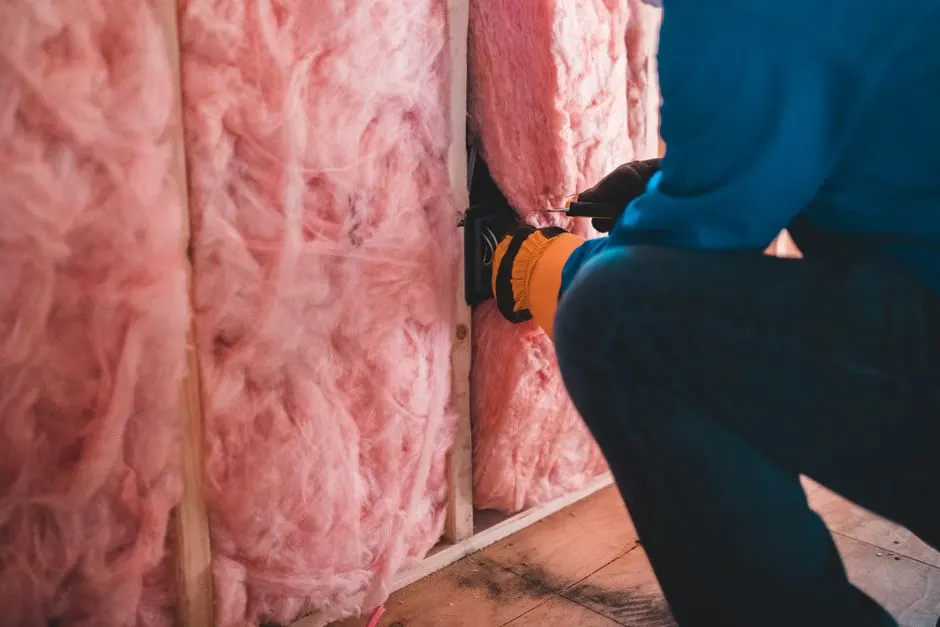
Removing mold from attic insulation without spreading spores means sealing the attic from the living space, wearing a P100 respirator and Tyvek suit, bagging contaminated insulation inside the attic, and HEPA-vacuuming every surface before you unseal anything. If you skip containment, every step you take - pulling batts, walking the joists, even opening the hatch - pushes millions of spores into your bedrooms and hallways. This guide walks through the exact sequence we use on attic jobs across Fort Pierce, from setting up a zip-wall containment to the final air scrubber run, plus the mistakes that turn a weekend project into a whole-house problem.
Why attic mold in Fort Pierce spreads so easily
Fort Pierce attic mold spreads so easily because our climate gives it three things at once: heat, humidity, and a steady supply of cool, damp air leaking up from the living space. From May through October, attic temperatures routinely hit 130°F to 150°F. That heat bakes moisture out of the wood, but it also drives mold growth on any surface that stays above 60% relative humidity for more than 48 hours.
Most of the attics we inspect in Fort Pierce - especially in the older homes near downtown and along Indian River Drive - have two problems working together. First, the HVAC air handler or ductwork sits in the attic and sweats. Second, bathroom and kitchen exhaust fans vent straight into the attic instead of through the roof. That combination keeps the sheathing wet enough for mold to colonize in a week or two.
Once mold is growing on the roof deck, it drops spores onto the insulation below. Blown-in fiberglass and cellulose are basically spore sponges. Every time the AC kicks on, a little pressure change pushes those spores through gaps around recessed lights, attic hatches, and wire penetrations.
Attic mold remediation in Fort Pierce is a category of work that removes fungal growth from roof sheathing, rafters, and insulation and addresses contamination while helping restore dry attic conditions. It is not the same as wiping down a bathroom wall.
Can moldy insulation be cleaned, or does it have to go?
Moldy insulation almost always has to be removed and replaced - you cannot clean fiberglass batts or blown-in cellulose well enough to make them safe. The mold roots into the fibers, and any attempt to vacuum or spray it in place just knocks spores loose.
There is one narrow exception. If you catch the problem within about 48 hours and the mold is only on the paper facing of a batt, you can sometimes cut away the affected facing and keep the fiberglass. In our experience, that window has usually closed by the time a homeowner notices the smell.
Here is the rule we use on every job:
- Blown-in cellulose or fiberglass: remove and bag it. Always.
- Faced batts with visible growth: remove and bag them.
- Batts with mold only on the paper vapor barrier: cut off the facing, HEPA-vacuum the fiberglass, and treat the wood above.
- Spray foam: can usually be cleaned and treated in place if the growth is surface-level.
If you are not sure which category your insulation falls into, a professional Mold Inspection & Testing Fort Pierce FL visit will tell you in about an hour. We take air samples inside the attic and inside the living space, then compare the spore counts. Sampling results should be interpreted alongside visual and moisture observations; they do not prove a specific contamination pathway on their own.
What gear and containment do you need before you touch anything?
Containment is the whole job. If you get containment right, the rest is just careful labor. If you get it wrong, you have spread mold through the house and made the problem worse.
Here is the minimum setup:
- P100 half-face respirator with cartridges rated for mold and fine particulates. A dust mask is not enough - spores are 2 to 20 microns and pass straight through.
- Tyvek suit, nitrile gloves, and sealed goggles. Tape the suit cuffs over your gloves.
- 6-mil poly sheeting and zip-wall containment around the attic hatch and any open ceiling penetrations.
- HEPA vacuum rated for mold remediation - not a shop vac with a bag.
- Air scrubber with a HEPA filter, sized for the attic volume. A 1,500 sq ft attic needs roughly a 500 CFM unit running continuously.
- Heavy-duty 6-mil contractor bags and a way to seal them inside the attic before you carry them out.
- Antimicrobial and fungicidal cleaner approved for porous and semi-porous surfaces.
Set the containment before you open the hatch. We tape poly over the hatch from the hallway side, cut a flap, and step through. That single step keeps 90% of the spores out of the house.
Step-by-step: removing moldy insulation without releasing spores
Work from the far end of the attic toward the hatch so you never walk back through a cleaned area. Here is the sequence we follow on every attic job in Fort Pierce.
- Seal the living space first. Tape poly over the hatch, HVAC returns, and any recessed lights. Turn off the air handler so you are not pulling attic air into the house.
- Set up negative air. Place the air scrubber so it pulls air from the attic and exhausts through a HEPA filter. This keeps the attic under slight negative pressure, so any leak pulls air in rather than pushing spores out.
- Mist the insulation before you touch it. A light spray of water knocks down airborne spores without soaking the material. Do not saturate it - wet insulation is heavier and harder to bag.
- Bag the insulation in place. Roll batts or scoop blown-in material directly into 6-mil bags, twist the top, and tape it shut. Never carry loose insulation across the attic or down a ladder.
- HEPA-vacuum every surface. Roof sheathing, rafters, top plates, joists, wiring, and the attic floor. Go over each surface twice - once with the vacuum, once with a damp wipe and antimicrobial.
- Treat the wood. Apply a fungicidal cleaner to all visible growth and let it dwell for the full contact time on the label, usually 10 minutes.
- Run the air scrubber for 24 to 48 hours. Keep the containment up the whole time. This is what clears the residual spore load.
- Replace the insulation. New batts or blown-in material goes in only after the wood is dry and the air samples come back clean.
Most DIY attic jobs take two full days and cost $400 to $900 in materials and equipment rental. A professional crew typically finishes the same scope in one day, which matters when the attic is 140°F.
Common mistakes that spread spores through the house
The mistakes that spread spores are almost always containment failures, not cleaning failures. We see the same five over and over.
- Opening the hatch without sealing it. Every trip up and down the ladder dumps spores into the hallway.
- Running the AC during the job. The air handler pulls attic air into every room in the house.
- Using a shop vac. A standard shop vac blows fine spores out the exhaust. Only a true HEPA unit is safe.
- Carrying loose insulation through the house. Bag it in the attic, every time.
- Skipping the wood treatment. If you remove the insulation but leave mold on the sheathing, it comes right back.
One more: do not spray bleach on attic wood. Bleach does not penetrate porous surfaces, and the moisture you add can feed the next round of growth.
How to stop attic mold from coming back
Attic mold comes back when the moisture source is still there. Removing the growth without fixing the moisture is a temporary fix.
Start with ventilation. Most Fort Pierce attics need 1 sq ft of net free vent area for every 150 sq ft of attic floor, split roughly 50/50 between intake at the soffits and exhaust at the ridge. If your soffit vents are blocked by insulation, clear them with baffles.
Next, fix the exhaust fans. Bathroom and kitchen fans must vent through the roof or a gable wall, never into the attic. A $15 duct run fixes a problem that otherwise repeats every year.
Then seal the ceiling. Air-seal around recessed lights, wire penetrations, and the attic hatch. This stops humid house air from rising into the attic in the first place.
Finally, check the roof. A single slow leak around a vent boot or chimney flashing keeps the sheathing wet enough for mold year-round. We see this constantly on homes in Mold Remediation in White City, where mature oak canopy keeps roof surfaces shaded and slow to dry after summer storms.
When to call a professional
Call a professional when the mold covers more than about 10 sq ft, when the insulation is blown-in, or when anyone in the house has asthma or a compromised immune system. Those three conditions push a DIY job past what a homeowner should take on.
We also get called when the mold keeps coming back. That usually means the moisture source was never fixed, and no amount of cleaning will solve it. Our team handles Attic Mold Removal Fort Pierce FL from containment through final air clearance, and we fix the ventilation and air-sealing issues that caused the growth in the first place.
If the mold has moved into the ductwork - you will smell it every time the AC runs - that is a separate scope. We handle air duct mold removal Fort Pierce with the same containment discipline.
Frequently Asked Questions
How much does attic mold removal cost in Fort Pierce in 2026?
Typical 2026 pricing in Fort Pierce runs $1,500 to $4,500 for attic mold removal, depending on attic size, insulation type, and how much wood treatment is needed. Blown-in insulation removal adds $1 to $2 per sq ft. Most single-family attics land in the $2,000 to $3,000 range.
Can I just spray moldy attic insulation with bleach and leave it?
No. Bleach does not penetrate fiberglass or cellulose, so it kills only the surface growth and adds moisture that feeds the next bloom. Contaminated insulation has to be removed and replaced. Spraying it in place also aerosolizes spores into the living space.
How long does attic mold remediation take?
A typical Fort Pierce attic takes one to two days for removal and treatment, plus 24 to 48 hours of air scrubbing. Final air clearance testing happens after the scrubber run. Insulation replacement usually follows on the same or next day.
Will my homeowners insurance cover attic mold removal?
It depends on the cause. Sudden events like a burst pipe or storm-driven roof leak are often covered. Long-term humidity or poor ventilation is usually excluded as a maintenance issue. We document the moisture source with photos so your adjuster has what they need.
How do I know if attic mold is getting into my house?
Watch for a musty smell that gets stronger when the AC runs, allergy symptoms that improve when you leave the house, and visible dark staining around ceiling fixtures. Air sampling inside the attic and inside the living space is the only way to confirm cross-contamination.
Get help with Mold Remediation in Fort Pierce
If your attic smells musty or you have seen dark staining on the roof sheathing, we can inspect it, contain it, and clear it - without pushing spores into your living space. Fort Pierce Mold Pros handles Mold Remediation Fort Pierce FL for homeowners across St. Lucie and Martin counties, and we also serve neighbors in Mold Remediation in Stuart and Mold Remediation in Vero Beach.
Call +1 772-262-4441 to schedule an attic inspection. We will tell you what is growing, why it is growing, and what it takes to fix it.